- Blueprint Soccer XI
- Posts
- Why Players Must Embrace a Long-Term Development Mindset
Why Players Must Embrace a Long-Term Development Mindset
Here’s the truth that every player must understand: form is temporary, but development is a long-term journey.

Blueprint Soccer XI
April 13, 2025
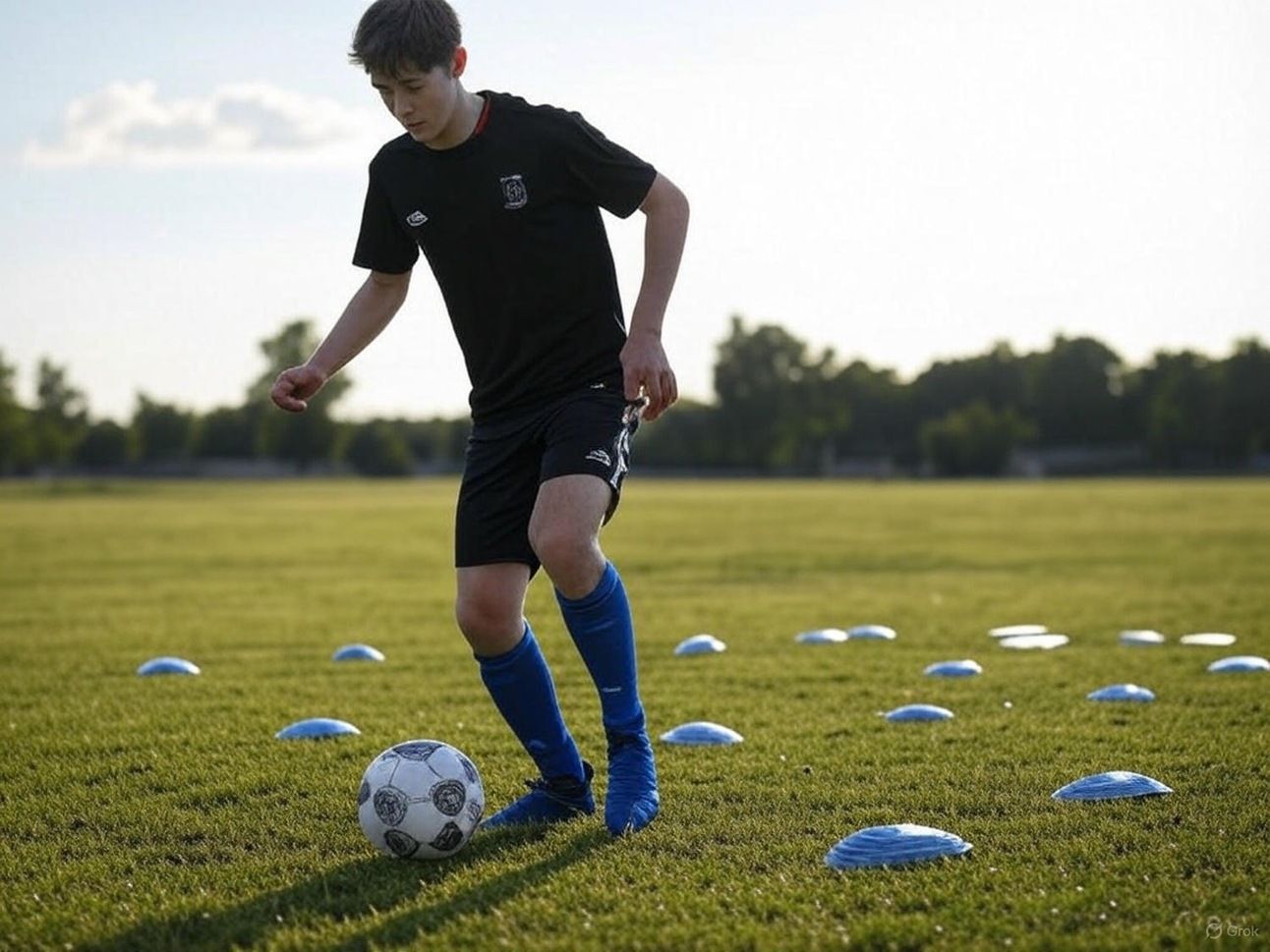
In the world of soccer (sport), it’s easy to get swept up in the emotion of the moment. A bad game, a coach’s decision not to start you, or even a string of underwhelming performances can feel like the end of the road. But here’s the truth that every player must understand: form is temporary, but development is a long-term journey. The players who succeed are not necessarily the ones who shine every weekend — they are the ones who show up consistently, stay committed to growth, and bounce back from setbacks stronger than before.
The Problem with Short-Term Thinking
Modern sports culture — particularly soccer — can often foster an immediate result mentality. A poor game might leave a player feeling like all their hard work is meaningless. Getting benched can feel like failure. Social media highlight reels, instant feedback from parents, and the pressure of being seen by scouts or coaches at tournaments can amplify this anxiety.
But let’s pause and zoom out.
A 13-year-old is not supposed to be a finished product. Nor is a 15-year-old. Nor, quite frankly, is an 18-year-old. Development doesn’t follow a straight line. It’s messy. There are peaks and valleys, growth spurts, injuries, positional changes, and mental growing pains. Those who succeed are those who understand this and stick with the process.
Trusting the Process
So what does trusting the process actually look like?
It means accepting that not every game will go your way. It means being honest with yourself about what you need to improve and embracing the uncomfortable parts of development — the drills you don’t like, the feedback that stings, the games where you sit on the bench. It means showing up the next day with intention and hunger to be better.
It’s important to recognize that one game doesn’t define your ability or your potential. Neither does one season. And it’s certainly not a coach’s decision about playing time that dictates your ceiling. What matters most is how you respond.
Form is Temporary — Class is Permanent
There’s a popular saying in soccer: Form is temporary, class is permanent. This means that even the best players in the world go through rough patches. They misplace passes. They lose confidence. They have games where nothing seems to click. But those players also have a foundation of skills, habits, and mindset that carry them through the dips.
Name any top player in the world, they didn’t become a global icon because they played well every single game — they became one because of how they trained, how they recovered, how they handled criticism, and how they set goals and worked toward them, relentlessly.
If you’re in a dip right now, don’t stress. It’s part of the journey. The dip isn’t permanent, and it doesn’t mean you’re not talented or capable. Often, it’s a sign that you’re growing — pushing your limits, trying new things, stepping into a new phase of your game.
The Power of Measurable, Reassessable Goals
One of the best ways to stay focused on long-term growth is to set clear, measurable, and realistic goals. Instead of vague goals like “get better at passing,” try something like:
“Complete 90% of my FORWARD passes in my next three matches.”
“Improve my weak foot juggling for a half hour a day, 4 times a week.”
“Complete 3 crosses into the box between the 6 yard box and penalty spot each game.”
These goals do a few important things:
They give you a sense of control. Even if you’re not starting every game, you can work toward your goal in training or off the field.
They build confidence. Progress is often invisible unless you track it. Meeting your own goals proves to yourself that you’re improving.
They shift focus away from outcome and toward process. Instead of worrying about making the starting lineup or scoring a goal, you’re concentrating on what you can actually control.
But goals aren’t static. As you grow, your goals should grow with you. Maybe you’ve nailed that passing goal — great. Now raise the standard. Maybe your first goal was too ambitious — no problem. Adjust it and go again. Reassessing goals every 4–6 weeks is a great rhythm. Talk with your coach. Reflect honestly and adapt.
Embracing Playing Time Challenges
Let’s address one of the toughest situations players face: limited playing time.
It’s frustrating. It’s disheartening. But it’s not the end of the world — in fact, it’s often the beginning of a new level of growth. The bench can teach humility, patience, and resilience. Use that time to learn. Watch the game. See where players are making mistakes. Study how others play your position. Be the best teammate on the sideline. Show your coach you’re engaged, supportive, and hungry to contribute.
And when your moment comes — because it will come — you’ll be ready.
It’s also important to have honest conversations with your coach. Don’t ask, “Why am I not playing?” Ask, “What do I need to work on to earn more minutes?” Coaches respect players who show maturity and a desire to improve.
The Mental Side of the Game
Perhaps the most underdeveloped skill in youth soccer is the mental game. Confidence, resilience, focus, and self-belief are every bit as important as your first touch or your fitness level.
Learn to quiet the inner critic. Learn to evaluate yourself fairly — what went well, what didn’t, and what you’ll work on. Stay away from comparing yourself to teammates. Everyone develops at a different rate. If you’re putting in the work and staying committed, your moment will come.
Final Thoughts: Play the Long Game
No one game, no one coach’s opinion, and no one season defines your future. Your soccer journey is not a sprint — it’s a marathon filled with highs, lows, breakthroughs, and setbacks. The most successful players are the ones who learn to love the process, set and reassess goals, stay consistent, and refuse to let temporary form or frustration knock them off course.
So keep showing up. Keep learning. Keep working. And remember, your best soccer is still ahead of you.
If you’re a player, a parent, or a coach who wants to dive deeper into long-term player development send us an email [email protected]