- Blueprint Soccer XI
- Posts
- The Brentford Blueprint
The Brentford Blueprint
Proof that alignment, not ambition, is football’s real competitive edge

Blueprint Soccer XI
February 03, 2026
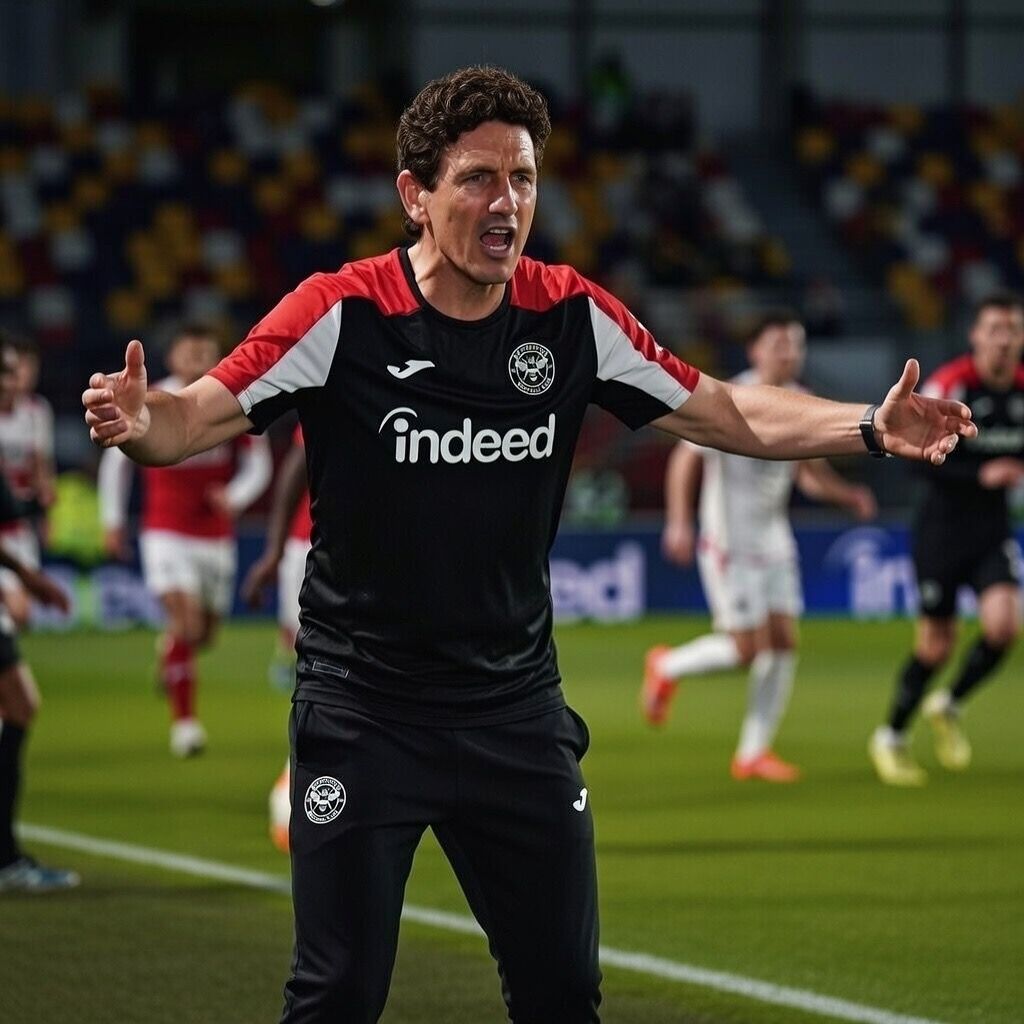
There are louder stories in the Premier League this season. Bigger ones. Flashier ones. Stories with high profile managers, star-studded squads, and endless tactical adjustments, not to mention set-pieces.
But few stories are more holistic than Brentford’s.
As we head deeper into the 2025/26 season, Brentford sit 7th in the Premier League. Not clinging on. Not accidental results. Sitting there comfortably — organized, competitive, and annoyingly difficult to play against.
That alone isn’t new. What is new is the context.
Last summer, Brentford lost the man most people believed was the club.
Thomas Frank had been there for years. He built the culture, shaped the identity, translated data into emotion, and gave Brentford a recognizable personality. When he left, it felt like the end of a cycle.
They also lost:
Senior players
Goals
Leadership
Continuity
On paper, this was supposed to be the season where Brentford fought to stay above the relegation zone. Mid-table at best. Rebuild mode. Transition year.
Instead, they’ve quietly minded their own business and sit comfortably towards the top of the table.
No Panic, No Reinvention — Just Clarity
Most clubs react badly to moments like this.
They panic. They overcorrect. They hire a “statement” manager to calm the outside noise. Someone with a modern philosophy, a brand, a way of playing that looks good when presenting.
Brentford didn’t do that.
They asked a much harder, and much more uncomfortable question:
Who actually understands this place?
The answer wasn’t glamorous. It was Keith Andrews.
No Premier League head-coach experience. No tactical cult following. No media buzz.
Just someone who already knew:
The players
The staff
The language
The standards
The reality of the job
That decision tells you almost everything you need to know about why Brentford are where they are now.
Why the Transition Worked (When It Usually Doesn’t)
Managerial transitions usually cost clubs points. Sometimes a lot of them.
Players have to relearn:
Terminology
Roles
Pressing cues
Build-up patterns
Expectations
Even good managers need time. And time, in this league, is expensive.
Brentford avoided most of that drop-off because very little actually changed.
The football didn’t get louder. It didn’t get more ideological. It didn’t suddenly try to be something it wasn’t.
The language stayed familiar. The training rhythm stayed familiar. The expectations stayed familiar.
Players didn’t have to think more — they just had to execute better.
That’s not accidental. That’s design.
Andrews’ Biggest Strength: He Didn’t Try to Be Thomas Frank
This matters more than people realize.
Too many successors either:
Try to imitate their predecessor too closely
Or reject them entirely
Andrews did neither.
He kept what worked:
Structure
Clarity
Collective responsibility
And sharpened what needed sharpening:
Training intensity
Game-specific preparation
Accountability in moments that decide matches
Those close to the club talk about sessions being shorter, sharper, more competitive. Less filler. More situations. More stress. More realism.
That shows up on matchday.
The Numbers Back It Up
This isn’t smoke and mirrors.
Brentford’s underlying metrics support their league position:
Around 1.5 goals scored per match
Around 1.3 conceded
Expected goals broadly aligned with actual output
Strong conversion from transitions and set pieces
Above-average points return when scoring first
They don’t dominate the ball. They don’t chase control for its own sake. They pick moments, punish mistakes, and manage games well.
In other words, they look like a team that knows exactly who they are.
No Stars, No Problem
One of the laziest assumptions in football is that you need “stars” to compete in the top half.
Brentford continue to dismantle that idea.
They didn’t replace departing players with bigger names. They replaced functions:
Goals
Ball progression
Duels
Leadership moments
Goals have been spread. Responsibility has been shared. No one player carries the weight of the season.
That’s not just recruitment. That’s coaching.
It requires a manager comfortable with:
Collective solutions
Role discipline
Not building the team around himself or one personality
Andrews fits that profile.
Another reason this has worked: Andrews didn’t need to announce himself.
Modern players are incredibly good at spotting fake authority. They’ve seen it all — the speeches, the slogans, the tactical theatre.
What they respect is consistency.
Who plays when they train well.
Who doesn’t play when they don’t.
Who gets challenged.
Who gets protected.
What actually matters.
By all accounts, Andrews has been calm, direct, and fair. Demanding on the pitch. Human off it.
That balance is hard to fake. And it’s usually earned long before someone gets the title.
Brentford’s Real Advantage: They Know Who They Are
Here’s the uncomfortable truth for a lot of clubs:
Brentford didn’t survive this transition because they found a genius.
They survived it because they already had a system.
Ownership understands the model. Recruitment supports it. Analytics feed it. Coaching executes it.
When Thomas Frank left, the club didn’t lose its identity — because the identity wasn’t his alone.
Keith Andrews stepped into something coherent. That’s a luxury most managers don’t get.
What Other Clubs Should Actually Learn From This
If you’re a sporting director, CEO, or owner watching Brentford this season, the lesson isn’t “hire someone like Keith Andrews.”
That’s too simple.
The real lessons are harder:
Stop hiring managers to define your club
Stop confusing philosophy with clarity
Stop chasing names when what you need is alignment
Ask better questions:
Does this person reduce friction or add to it?
Will players trust them quickly?
Do they simplify or complicate?
Can they lead without dominating the room?
Brentford didn’t chase excitement. They chose understanding.
Why This Story Matters
Brentford won’t dominate headlines this season. They rarely do.
But inside football — in recruitment meetings, coaching offices, and technical departments — this season will be studied closely.
Because it proves something many people don’t want to hear:
Success doesn’t always come from doing something new.
Sometimes it comes from doing the right things, consistently, without ego.
Keith Andrews didn’t arrive with a manifesto.
He arrived with credibility.
Brentford didn’t reinvent themselves.
They trusted what they’d already built.
And in a league obsessed with noise, that quiet confidence has them exactly where they deserve to be — seventh, and still climbing.