- Blueprint Soccer XI
- Posts
- The Disciplined Player: Staying Ready for the Unseen Opportunity
The Disciplined Player: Staying Ready for the Unseen Opportunity
Discipline is a choice not a sacrifice

Blueprint Soccer XI
April 06, 2025
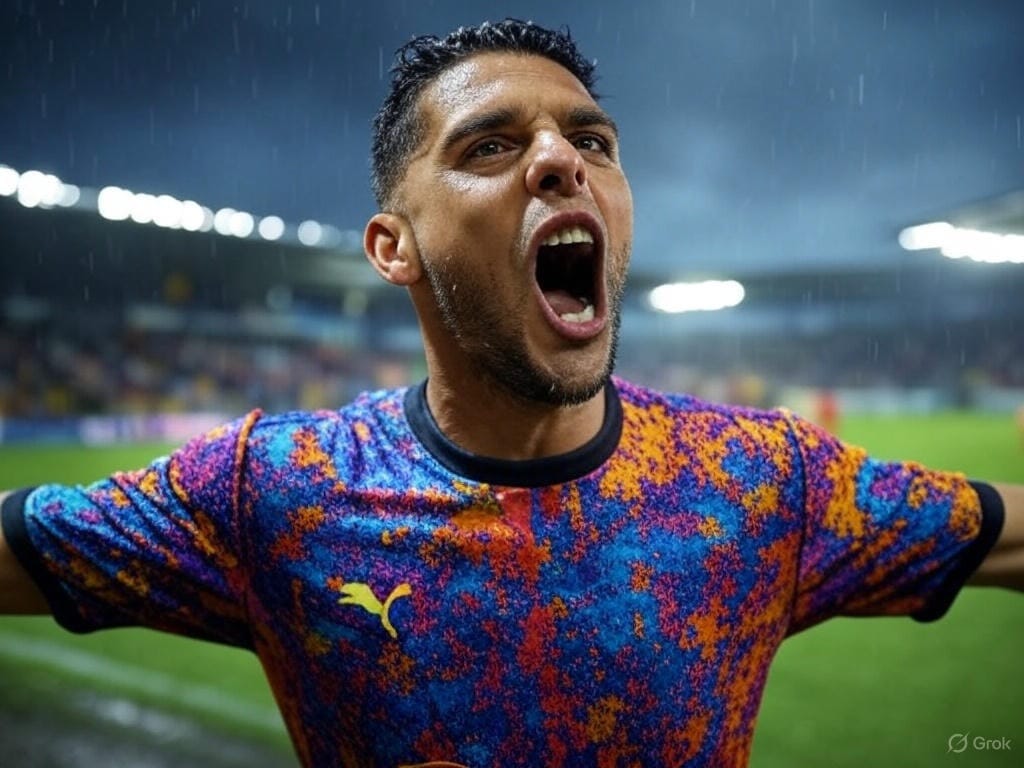
In the world of soccer, players often gear up for specific moments—preseason training, a major tournament, a showcase in front of scouts. They push themselves to peak fitness, sharpen their skills, and lock in their mental focus. But what happens when an opportunity arrives unannounced? What if the call comes when you least expect it—an unexpected trial, an injury to a starter, or even a career-changing scout watching training from afar?
The reality is, success in soccer—and in life—belongs to those who are always ready. Not just when it’s convenient. Not just when motivation strikes. The best players don’t prepare for a moment; they live in a state of preparation. And this level of readiness isn’t driven by fleeting bursts of motivation. It’s fueled by discipline.
Motivation vs. Discipline: The Difference Between Temporary and Permanent Growth
It’s easy to be motivated for a big game or a looming preseason. Everyone gets a surge of adrenaline when the stakes are high. But motivation is a fragile thing—it fluctuates with your mood, your circumstances, and your environment. Some days, you’ll wake up excited to train. Other days, you won’t.
This is where discipline separates the good from the great. Discipline is the quiet, consistent force that pushes you forward regardless of how you feel. It’s what makes you lace up your boots on a cold morning, even when no one is watching. It’s what keeps you on the ball, improving, even when no immediate reward is in sight.
Cristiano Ronaldo didn’t become one of the greatest players of all time because he was always motivated. He became great because he made a decision—every single day—to work, improve, and push his limits, even when no one was watching.
You Don’t Have to do shuttle runs—Train Smarter, Not Harder
One of the biggest misconceptions about fitness for soccer is that it requires grueling, mind-numbing conditioning—mile after mile on the track, endless shuttles until you collapse. While endurance is crucial, fitness should be built in a way that enhances your game.
You can achieve elite fitness while staying on the ball. Intense technical activities—dribbling sequences, ball mastery drills, small-sided games—can develop your endurance while also refining your touch, decision-making, and in-game sharpness. The key is intensity. A slow, casual dribbling activity won’t make you better. But pushing yourself to execute every rep with speed, precision, and purpose will.
Next time you think about fitness, shift your mindset. Instead of forcing yourself through a painful track workout, design sessions that keep you engaged and build both your skill set and your physical conditioning.
The 1% Rule: Committing Just 4% of Your Day to Getting Better
One of the biggest excuses players make is, “I don’t have enough time.” Between school, work, social life, and other commitments, it’s easy to feel stretched thin. But here’s a reality check: if you dedicate just 1 hour of your day to focused training, you’re committing only 4% of your time.
That’s it. 4%.
If you want to be 1% better each day, all it takes is that 4% commitment. Imagine where you’d be if you invested in that 4% every single day for a year. That’s 365 hours of deliberate work. And the best part? Most players won’t do it. They’ll skip days. They’ll rely on motivation. They’ll train only when they feel like it. That’s where discipline gives you the edge.
Reaching the Next Level Requires More Than Talent—It Requires a Decision
There’s a reason why so few players make it to the highest levels. It’s not just about talent. It’s not just about potential. It’s about the choices you make every day.
If you truly want to take your game to the next level, it requires more than a passive desire. It requires a decision—a commitment to doing what’s necessary, even when it’s hard, even when no one is telling you to.
It means choosing to train when your friends are going out.
It means choosing to work on your weak foot when you’d rather just shoot with your dominant foot.
It means choosing to eat for performance, not just for taste.
This isn’t about sacrifice. That’s the wrong way to look at it. Sacrifice implies that you’re giving something up. But what if, instead, you see it as an investment? What if, instead of thinking, “I have to do this,” you think, “I get to do this”? It’s always a choice.
The Power of Perspective: Shift From Obligation to Opportunity
Your mindset will determine how far you go. If you see discipline as a burden, it will always feel heavy. But if you shift your perspective and see discipline as an opportunity, it becomes empowering.
Every hour of training is a step toward your goals. Every extra touch on the ball is an advantage over your competition. Every day you stay consistent, you’re widening the gap between yourself and the players who rely on motivation.
Instead of saying, “I have to train today,” start saying, “I get to train today.” Instead of thinking, “I have to eat right,” say, “I get to fuel my body for performance.” This simple shift changes everything.
Are You Ready When the Opportunity Comes?
Opportunities don’t come with warnings. They don’t wait for you to be ready. They appear when they appear—and you either seize them or you let them pass you by.
The question is: will you be ready?
Will you be the player who always trains, who stays sharp, who is physically and mentally prepared at all times? Or will you be the player scrambling to get in shape when the chance of a lifetime arrives?
You don’t need motivation to be ready. You need discipline.
Decide today that you’ll commit—not just when it’s easy, not just when a tournament is coming up, but every single day. Train with purpose. Stay on the ball. Dedicate that 4% of your day to improvement. Because when your moment comes, you won’t have to get ready.
You’ll already be there.